What is eczema and atopic dermatitis?
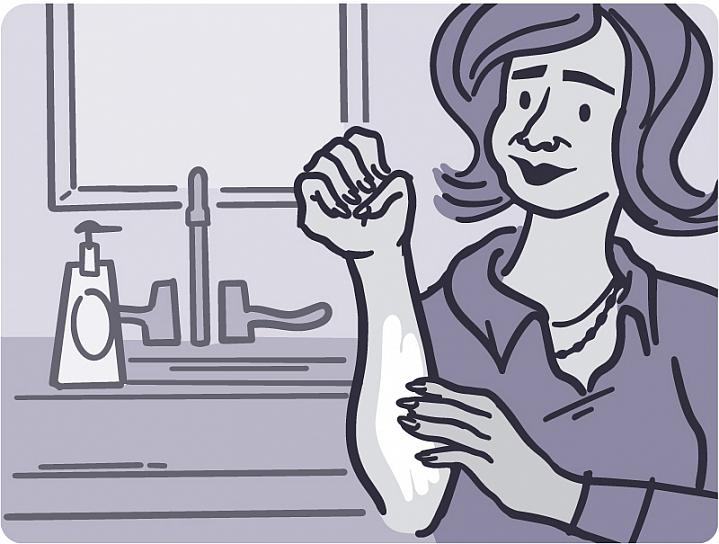
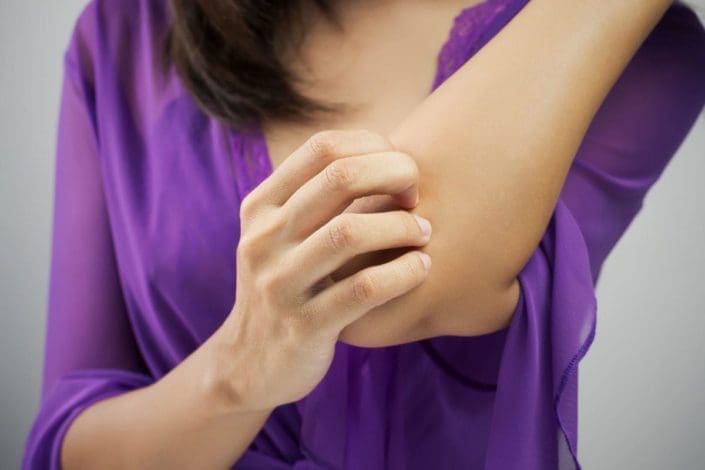
Eczema is a general term for rash-like skin conditions. The most common type of eczema is called atopic dermatitis. Eczema is often very itchy. When you scratch it, your skin becomes red and inflamed (puffy). Eczema is most common in babies but also affects children and adults.
Atopic dermatitis is a chronic skin condition. It is caused by an allergic reaction. It is the most common type of eczema. “Atopic” describes an inherited tendency to develop dermatitis, asthma, and hay fever. “Dermatitis” means that the skin is red and itchy.
Atopic dermatitis usually starts during infancy and continues into childhood. There are times when the condition gets worse (called flare-ups). Flare-ups are followed by times when the skin will heal. During these times, there may be no signs of atopic dermatitis (called remission). Remission can last for weeks, months, or even years. Some children will outgrow atopic dermatitis. Others will still have it when they are adults. Flare-ups in adults tend to be less severe.
Symptoms of eczema and atopic dermatitis
Atopic dermatitis and eczema may start out as dry, extremely itchy skin. The rash may become very red, swollen, and sore. The more you scratch it, the worse it generally gets. A clear fluid may leak from the rash. Eventually, the rash will crust over and start to scale. Common places for the rash are in the elbow creases, behind the knees, on the cheeks, and on the buttocks.
What causes eczema and atopic dermatitis?
You are more likely to have atopic dermatitis or eczema if a family member has it. These conditions aren’t contagious. This means you can’t catch them from other people. The exact cause of eczema and atopic dermatitis is unknown.
How are eczema and atopic dermatitis diagnosed?
Your doctor will be able to diagnose eczema simply by looking. As part of your exam, he or she will also review your medical history. It is important to tell your doctor if you have allergies or asthma. He or she may order blood and skin patch tests to rule out other conditions.
Can eczema and atopic dermatitis be prevented or avoided?
You may never know what causes your eczema or atopic dermatitis. Without knowing, you can’t avoid them. They can’t be cured, but they can be managed. You can also learn to avoid the things that trigger them.
Limit your contact with things that can irritate your skin.
Some things that may irritate your skin include:
-
household cleansers
-
detergents
-
aftershave lotions
-
soap
-
gasoline
-
turpentine and other solvents
Try to avoid contact with things that make you break out with eczema. Soaps and wetness can cause skin irritation. Wash your hands only when necessary. Use a mild unscented soap such as Dove, Basis, or Olay, especially if you have eczema on your hands. Dry your hands completely after you wash them.
Wear gloves to protect the skin on your hands.
Wear vinyl or plastic gloves for work that requires you to have your hands in water. Also, wear gloves when your hands are exposed to anything that can irritate your skin. Wear cotton gloves under plastic gloves to soak up sweat from your hands. Take occasional breaks and remove your gloves. This will prevent a buildup of sweat inside your gloves.
Wear gloves when you go outside during the winter. Cold air and low humidity can dry your skin. Dryness can make your eczema worse. Wear clothes made of cotton or a cotton blend. Wool and some synthetic fabrics can irritate your skin.
Care for your skin in the bath or shower.
Bathe only with a mild unscented soap, such as Dove, Basis, or Olay. Use a small amount of soap. Keep the water temperature cool or warm, not hot. Soaking in the tub for a short time can be good for your skin. Doing so allows your skin’s outer layer to absorb water and become less dry. Soak for 15 to 20 minutes. Then use a soft towel to pat your skin dry without rubbing. Immediately after drying, apply a moisturizer to your skin. This helps seal in the moisture.
Use a moisturizer on your skin every day.
Moisturizers help keep your skin soft and flexible. They prevent skin cracks. A plain moisturizer is best. Avoid moisturizers with fragrances (perfume) and a lot of extra ingredients. A good, cheap moisturizer is plain petroleum jelly (such as Vaseline). Use moisturizers that are more greasy than creamy because creams usually have more preservatives in them.
Regular use of a moisturizer can help prevent the dry skin that is common in winter.
Avoid getting too hot and sweaty.
Too much heat and sweat can make your skin more irritated and itchy. Try to avoid activities that make you hot and sweaty.
Eczema and atopic dermatitis treatment
Your doctor may prescribe a corticosteroid cream or ointment to apply to your rash. This will help reduce itching and calm inflammation. Use it right after bathing. Follow your doctor’s directions for using this medicine or check the label for proper use. Call your doctor if your skin does not get better after 3 weeks of using the medicine.
Antihistamines like hydroxyzine reduce itching. They can help make it easier to not scratch. A new class of drugs, called immunomodulators, works well if you have a severe rash. Two drugs in this class are tacrolimus and pimecrolimus. These drugs keep your immune system from overreacting when stimulated by an allergen. However, they can affect your immune system. So the Food and Drug Administration recommends that these drugs be used only when other treatments won’t work.
Try not to scratch the irritated area on your skin, even if it itches. Scratching can break the skin. Bacteria can enter these breaks and cause infection. Moisturizing your skin will help prevent itchiness.
Living with eczema and atopic dermatitis
Eczema can flare up when you are under stress. Learn how to recognize and cope with stress. Stress reduction techniques can help. Changing your activities to reduce daily stress can also be helpful.
The area where you had the eczema may easily get irritated again, so it needs special care. Continue to follow the tips provided here even after your skin has healed.
Questions to ask your doctor
-
What treatment is best for me?
-
Should I use a steroid cream or ointment?
-
What are the side effects from the steroid cream or ointment?
-
Do I need to take any other medicines?
-
What is the best way to prevent flare-ups from eczema and atopic dermatitis?
-
Is there a certain type of soap I should use?
-
My child has eczema. What kind of moisturizer is best for him/her?
-
How can I keep my child from scratching the rash?
-
I have eczema. Will my children have it?
-
How should I care for the rash if I have a flare-up?
This information provides a general overview and may not apply to everyone. Talk to your family doctor to find out if this information applies to you and to get more information on this subject.